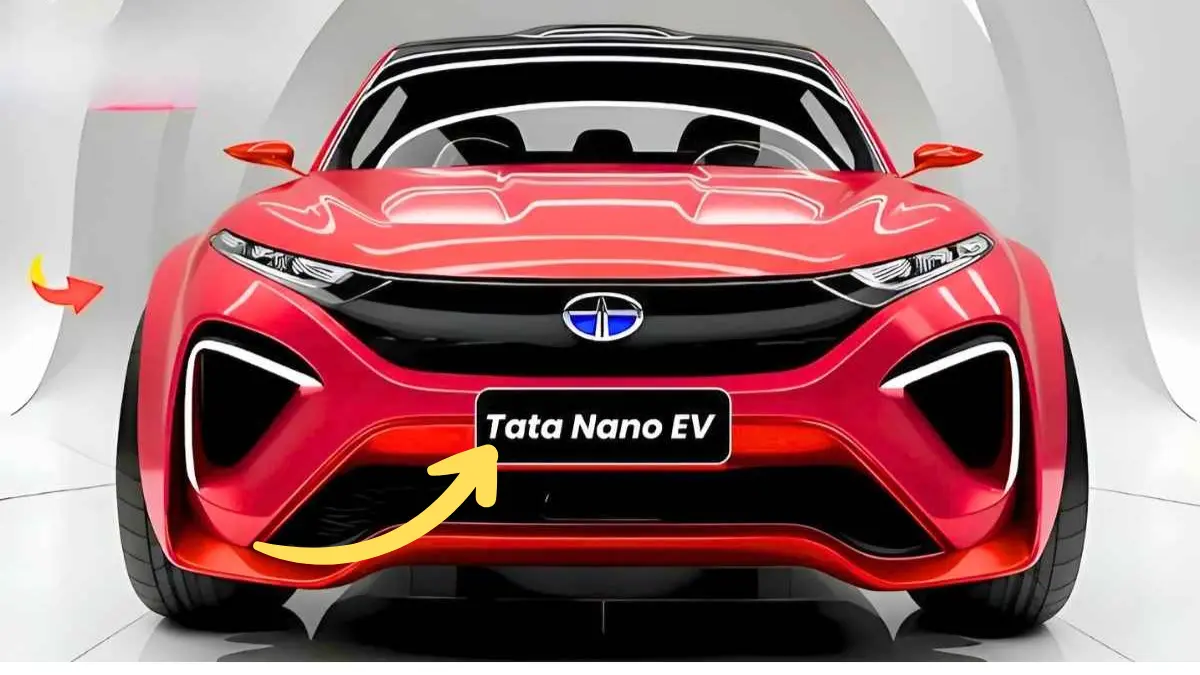
The wait is finally over. After years of rumors, fan expectations, and countless concept leaks, the 2026 Tata Nano EV has officially entered the spotlight — and it looks like Tata Motors means serious business. The iconic Nano name is back, but this time with a fully electric heart, modern styling, and a price tag that could shake the Indian EV market to its core. Whether you are a first-time car buyer, a budget-conscious commuter, or simply an EV enthusiast watching India’s green revolution unfold, the 2026 Tata Nano EV deserves your full attention.
In this first look, we break down everything — from its expected design language and battery specifications to its anticipated price range and official launch timeline. Let us get into it.
Why the 2026 Tata Nano EV Matters Right Now
India’s electric vehicle market has grown dramatically over the past three years, yet one gap has always remained — an affordable, city-friendly electric car that ordinary families can actually buy without stretching their budget. The Tata Nano EV is being positioned to fill exactly that gap. With urban congestion rising across Indian cities and fuel prices continuing to pressure household budgets, a practical electric car at an accessible price point is not just welcome — it is necessary
Tata Motors already dominates India’s EV segment with the Nexon EV and Tiago EV. The Nano EV is expected to sit below even the Tiago EV, targeting the entry-level segment and potentially redefining what affordable electric mobility looks like in 2026.
2026 Tata Nano EV: Design and First Look
Gone are the days of the boxy, ultra-minimalist original Nano. The 2026 Tata Nano EV is expected to sport a modern, rounded design language that aligns with Tata’s current Impact 2.0 design philosophy. Based on available information and spy shots circulating online, the new Nano EV features a compact but upright body structure, making it ideal for tight city lanes while maximizing interior headroom.
The front fascia is expected to carry a closed-off grille — a clear nod to its electric powertrain — flanked by slim LED daytime running lights. The rear is likely to feature a clean, modern tail lamp setup with a stylized Nano badge. Colors are expected to include vibrant options such as electric blue, pristine white, coral orange, and classic silver to appeal to younger urban buyers.
Expected Battery Range and Performance
The 2026 Tata Nano EV is rumored to come with a lithium-ion battery pack in the range of 21 kWh to 25 kWh, which should deliver a real-world range of approximately 200 to 250 kilometers on a single charge. For a vehicle designed primarily for city commuting, this range is more than sufficient for most daily use cases in Indian urban environments.
In terms of charging, the Nano EV is expected to support both AC home charging and DC fast charging. With a fast charger, the battery could go from 10% to 80% in under 45 minutes — a genuinely practical number for busy households. The motor output is expected to sit around 35 to 45 bhp, which, while modest on paper, is perfectly calibrated for urban stop-and-go driving conditions.
Interior and Feature Highlights
Despite its compact footprint, Tata is expected to pack the Nano EV with a surprisingly modern feature set. Industry insiders suggest the interior will include a 7-inch touchscreen infotainment system with smartphone connectivity, a digital instrument cluster, rear parking sensors, and keyless entry. Higher trims may even offer a 360-degree camera, wireless charging, and over-the-air software updates — features that were unthinkable in the original Nano era.
The cabin is designed for four passengers, with the emphasis on front-seat comfort. Rear legroom will be limited due to the vehicle’s compact dimensions, but for city users who primarily travel solo or as couples, this is unlikely to be a dealbreaker. The dashboard is expected to have a clean, minimalist layout, keeping the focus on usability over complexity.
2026 Tata Nano EV Expected Price in India
This is the number everyone is waiting for. The 2026 Tata Nano EV is widely expected to be priced between Rs. 5 lakh and Rs. 7.5 lakh (ex-showroom), making it one of the most affordable electric four-wheelers ever offered in the Indian market. If Tata manages to hit the lower end of this range, it would represent a genuine breakthrough in mass-market EV accessibility.
When you factor in the lower running costs of electric vehicles — significantly cheaper per-kilometer costs compared to petrol — along with government subsidies under the PM e-Drive scheme and state-level EV incentives, the total cost of ownership starts looking even more attractive. For buyers coming from two-wheelers or entry-level hatchbacks, the Tata Nano EV could genuinely be a life-changing upgrade.
Tata Nano EV Launch Date: What We Know
While Tata Motors has not made an official announcement regarding the launch date, multiple industry reports and dealer-level conversations suggest the 2026 Tata Nano EV could debut at a major auto show or be unveiled before mid-2026, with deliveries beginning by the third quarter of 2026. Tata has a strong track record of executing launches on schedule, and given the level of pre-launch buzz the Nano EV has already generated, a timely reveal seems likely.
How It Stacks Up Against Competitors
At its expected price point, the 2026 Tata Nano EV will likely compete against the MG Comet EV, the Citroen eC3, and potentially some upcoming micro-EVs from Maruti Suzuki’s stable. Compared to the MG Comet, the Nano EV is expected to offer more range and a stronger brand trust factor. Against the eC3, it should be meaningfully more affordable. If Tata delivers on its promises, the Nano EV’s competitive position looks strong.
Final Verdict: Should You Be Excited?
Absolutely yes. The 2026 Tata Nano EV represents more than just a new product launch — it signals a genuine shift in how Indian consumers will think about electric mobility. With the right price, reasonable range, and Tata’s proven after-sales network backing it up, the Nano EV has the potential to become one of the most important cars India has seen in a decade. The original Nano changed how India thought about car ownership. The 2026 Tata Nano EV could do the same thing for electric vehicles.
Stay tuned to this space for the latest updates, official price announcements, and launch date confirmations for the 2026 Tata Nano EV.
